We're now Screen and Projector! For updated content, visit ScreenAndProjector.com and follow @screenandproj on social media!

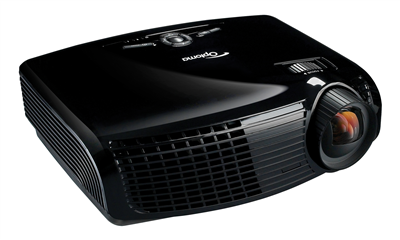
Optoma_GT700_projector_BL-FPI80E_lampLearn how to replace the Optoma GT700 gaming projector lamp using this guide.

The Optoma GT700 is the ultimate for gamers, sports lovers and film buffs. It’s wide screen format is perfect for 3D gaming or HD viewing.  Like any other projector, it uses a specialized projector lamp that will need to be changed after 3000 hours of use. Follow our 4-step guide to changing the Optoma GT700 gaming projector lamp.

Step One: Buying the right projector lamp

Your Optoma GT700 uses the BL-FP180E (SP.8EF01GC01) projector lamp.

Be sure to buy an authentic projector lamp in order to keep your projector working properly and avoid safety and health issues from counterfeit lamps. While the price of generic lamps can be tempting, installing them into your Optoma GT700 projector can result in the sophisticated optics being damaged beyond repair. Generic lamps also don’t have the proper safeguards and can damaged your eyesight. Scroll down to learn more. Why buy authentic?

Find this lamp sold on Amazon by these authorized distributors:

Step Two: Know when to replace

When the Optoma BL-FP180E (SP.8EF01GC01) projector lamp life is reaching end of life, you’ll see a warning sign appear on screen.

Optoma_GT700_BL-FPI80E_lamp_warning

Replace the lamp immediately when you see this warning signs. Using the lamp beyond its recommended 3000 hours can result in the lamp exploding inside the projector. This results in a messy and time consuming clean up job. Watch for these other signs that the BL-FP180E (SP.8EF01GC01) lamp may be reaching it’s end of life:

  • the Lamp LED flashing amber
  • picture has poor colour quality
  • image vibrancy and definition has deteriorated

Step Three: Installing a new Optoma BL-FP180E lamp

Pre-installation safety Preparation:

Follow these important safety tips before installing a new BL-FP180E into your Optoma GT700 projector.

  • Switch off the power to the projector by pressing the Power/Standby button.
  • Allow the projector to cool down for at least 30 minutes. If should be cool to the touch. The Optoma GT700 runs at a high temperature and you can burn yourself badly if you don’t allow the projector to cool down.
  • Disconnect the power cord.

Step-by-step instructions

Remove the old lamp
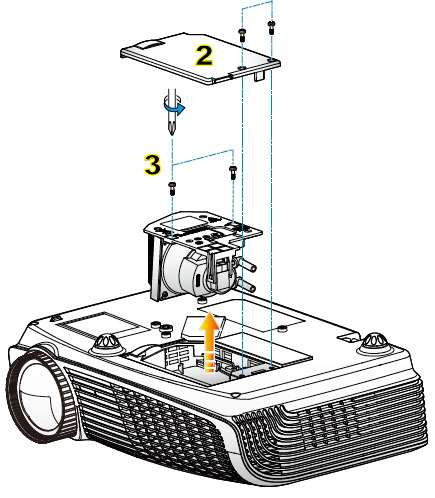
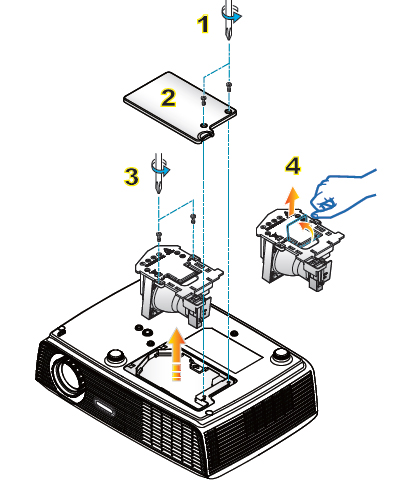
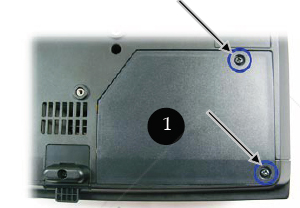
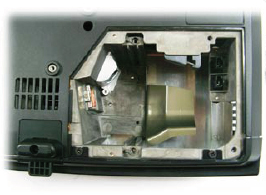
Optoma_GT700_BL-FPI80E_replace_lamp1: Use a screwdriver to loosen the two screws holding the projector lamp cover in place. The Optoma GT700  projector should be cool to the touch.

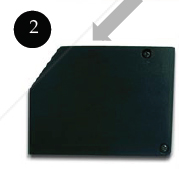
2: Remove the lamp cover and place to one side. Don’t lose the screws to the cover as the projector will not turn back on until the projector lamp cover has been properly installed.

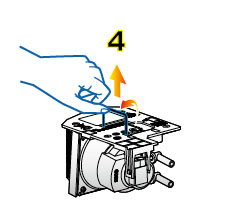
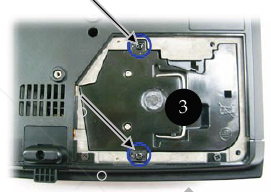
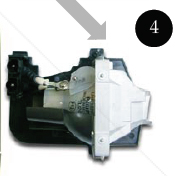
3: Remove both screws holding the BL-FP180E (SP.8EF01GC01) in place.Lift the wire handle on the lamp and gently remove it from the projector. Be careful not to hit the lamp or you can cause it to break.

Install the new lamp:

Optoma_GT700_BL-FPI80E_install_new_lamp

  • Take the new Optoma BL-FP180E (SP.8EF01GC01) projector lamp out of its packaging and lift the handle on the lamp.
  • Gently place it into the projector making sure not to touch the actual bulb. Oil from fingerprint marks can burn black spots onto the lamp when it heats up.
  • Tighten the screws on the projector lamp.
  • Close the lid. Tighten the cover screws.
  • You are now ready to reset the lamp timer.

Step 4: Reset the Optoma GT700 projector lamp timer

Your Optoma GT700 comes equipped with an automatic projector lamp timer that tracks the number of hours left for the BL-FP180E (SP.8EF01GC01) lamp. Each time you change the lamp you need to reset the lamp timer. Failure to do so may cause the projector to use the lamp over the recommended period of time resulting in the lamp exploding.
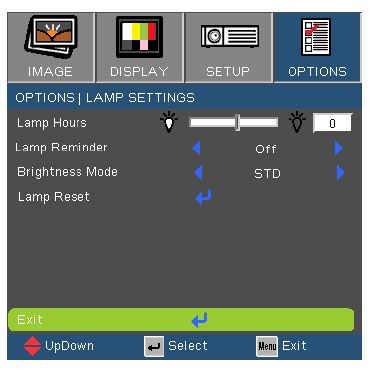
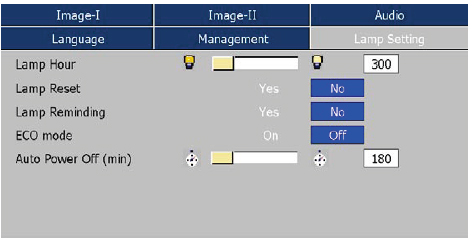
Optoma_GT700_BL-FPI80E_reset_lamp_timer

To reset the lamp timer:

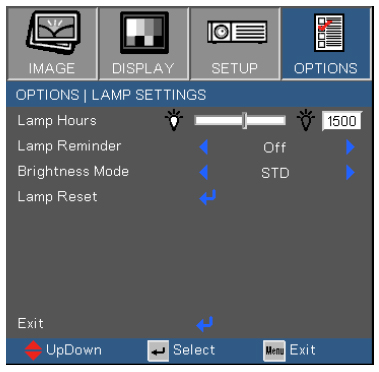
  • Press MENU
  • Select OPTIONS
  • Select Lamp Settings
  • Select Lamp Reset
  • Select Yes

TIPS FOR LONGER LAMP LIFE:

Under Brightness Mode:

  • Choose STD to dim the projector lamp and lower power consumption making the lamp last longer.
  • Choose BRIGHT to make the lamp brighter but decrease lamp life.

Why buy authentic?

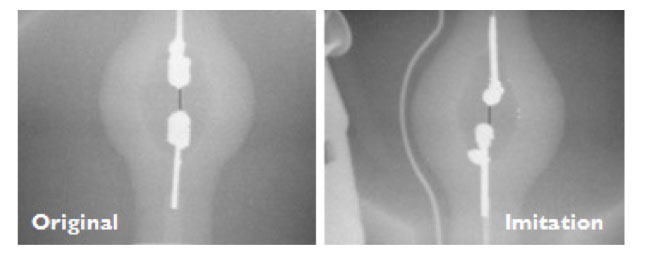
Watch for telltale signs you are about to purchase a counterfeit lamp:

Learn the TOP Tips for extending the lamp life in your Optoma GT700 projector.
 

Tagged with: , , ,

Changing the Viewsonic PJD6531w projector lamp can be hassle-free when you follow our how-to-guide.

ViewSonic_Projector_PJD6531W_RLC-049_lamp

When it’s time to replace the Viewsonic PJD6531w projector lamp you’ll notice the Power LED lamp light becomes a bright blue and Lamp LED becomes bright red. A warning message will also flash onscreen. Replace the lamp immediately and discontinue use of the old lamp. Failure to do can result in the lamp exploding and damaging your Viewsonic PJD6531w.

Note: Viewsonic recommends you contact a service rep before changing the lamp.

Authentic lamps are critical!

Your Viewsonic PJD6531w is a sophisticated piece of technology with sensitive optics stored inside it’s main operating system. It doesn’t make sense to buy a cheap, reproduction lamp that is inferior to authentic OEM lamps. These Original Equipment Manufacturer (OEM) lamps are created using the proper materials and with the proper fittings.  Look for the seal of approval that lets you know you are buying an authentic projector lamp.

6 reasons to avoid generic lamps:

Learn how to spot the copycat lamps posing as authentic lamps.

Find this lamp sold on Amazon by these authorized dealers:

Installing the Viewsonic PJD6531w projector lamp

Your Viewsonic PJD6531w projector lamp uses the Viewsonic RLC-049 projector lamp. Before replacing the  follow these crucial safety tips to prevent injury to yourself or the projector:

  • NEVER change the lamp unless the Viewsonic PJD6531w projector is cool to the touch. The PJD6531w operates under extremely high temperatures and you can burn yourself quite badly.
  • Switch off the power to the Viewsonic PJD6531w projector.
  • Disconnect the power cord.

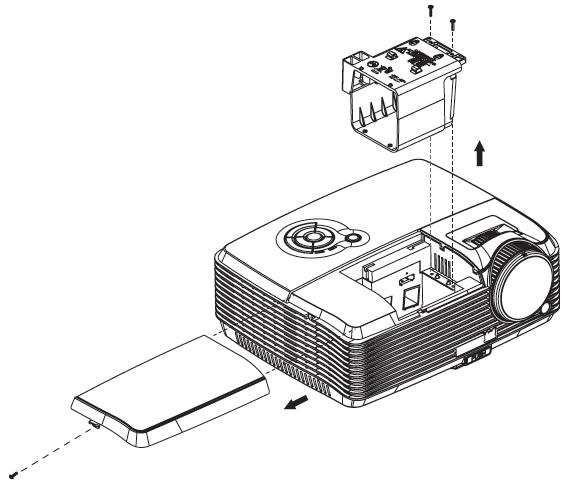
 ViewSonic_PJD6531W_RLC-049_lamp1. Use a screwdriver to undo the screw holding the lamp cover in place. Remove the lamp cover, being careful not to lose the screws.

2. Slide the lid  — slowly — off the projector. and place to one side. Don’t lose the lid because the Viewsonic PJD6531w  projector will not turn back if the lamp cover hasn’t been installed properly.

3. Remove the two screws holding the Viewsonic RLC-049 lamp in place.

Note: The used Viewsonic RLC-049 lamp contains mercury and should be properly recycled. Don’t throw it into regular garbage.

4. Grab the Viewsonic RLC-049 lamp by it’s side edges and slowly lift the lamp put of the projector. Be careful not to bang the lamp against the projector as this may case the bulb to break.

Learn what to do if the lamp has exploded inside the projector.

  • Remove the new Viewsonic RLC-049 from its packaging.
  • Taking care not to touch the actual bulb, lift up the handle on the new lamp and insert it gently into the Viewsonic PJD6531w into projector.
  • Tighten the two screws on the lamp.
  • Replace the lamp cover and tighten its two screws. Reset the lamp timer.


Reset the Lamp Replacement Timer

The Viewsonic PJD6531w projector has an automatic lamp timer that tracks the numbers of hours left in the lamp. Each time you install a new lamp, you’ll need to to reset the lamp timer to know how many hours are left and when to change the bulb.

ViewSonic_PJD6531W_lamp_reset_menuRLC-049_lamp

To reset the Lamp Replacement Timer:

  • Turn on the projector.
  • Using the remote press MENU or press the MENU button on the projector
  • Scroll to the main menu
  • Select Settings
  • Scroll down to Lamp Hours
  • Press the arrow button to move to the right,
  • Select YES.
  • Press MENU to exit.

Extend the life of the Viewsonic RLC-049 by setting the Viewsonic PJD6531w to Eco Mode. This lowers the brightness of the projector and makes the lamp last longer. Read about other tips for extending the lamp life in your Viewsonic PJD6531w.

Tagged with: , , ,

Jeff_Golden_Xmas_Lights

HappyNewYear2104

Happy New Year! Keep joining us in 2014 as we continue to offer the best guides for replacing your projector lamps, more helpful articles on presentations and design trends, technology and everything to help you get the best experience with your DLP projectors and RPTVs. Be sure to check out our forum for more advice. All the best in 2014.

Your multi-purpose DLP projector can let you watch your favorite shows with cinema quality on your TV!

It’s easy to get your DLP projector and TV hooked up.

Step 1: Cables

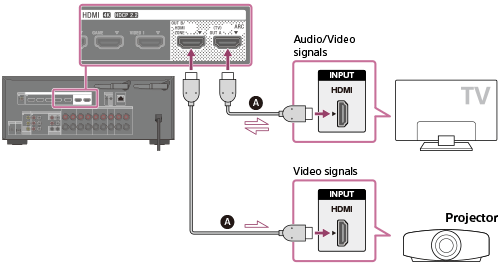
Your TV must have an outgoing video connection. Older models will not have this option, the newer smart TVs definitely do. If you TV doesn’t have an outgoing video connection, you’ll need to hook it up through a cable. Read our blog on Hooking up your projector through an AV source.

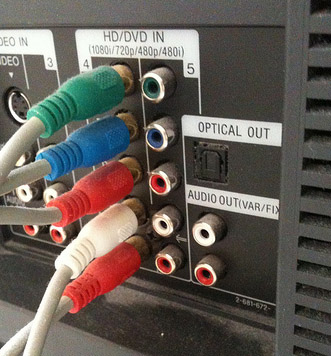
The cable you need depends on the type of VIDEO OUT pin you have on your TV:

Cables_HDTV_Projectors

  • RCA: composite video (yellow) and stereo audio (white and red) plugs. Similar to headphone or video gaming plugs. Find this on Amazon: Basics 2-Male to 2-Male RCA Audio Cable – 4 Feet
  • S-video: All in one cable using a four-pin DIN connector
  • HDMI: High-Definition Multimedia Interface connector integrating 19 cable pairs. This single-cable, all-digital solution is becoming the industry standard. Used with most HD devices. Find this cable on Amazon  25FT HDMI HDTV 1080P
  • DVI: Most common digital video cables, similar to VGA connectors, with up to 24 pins. Supports analog as well as digital video so it most used with desktops and LCD monitors. It doesn’t do video so replace it with HDMI cables. Find this cable on Amazon:Basics DVI to DVI Cable – 3 Feet (0.9 Meters)
  • VGA: Video Graphics Array connector has a 3-two, 15-pin connector and is used for video cards, computer monitors and HDTV. If you have an HDTV it will use the HDMI connection while older TVs will use either the VGA, S-video connection or RCA jack system. Find this cable on Amazon:<Cable Matters VGA to VGA Cable with Ferrites (SVGA Cable) 6 Feet (Available 3FT – 100 FT in Length)/li>

Step 2: Positioning

Cables_Projectors

You’ll still need to determine how far away your projector needs to be away from the projector screen. Check your manual to see how you need to set up the TV and projector.

Step 3: Connecting

  • Unplug the projector. You will be connecting a cable from the VIDEO OUT jack on the TV to the VIDEO IN jack at the back of the projector.
  • If you are using a VGA or HDMI connector you will have a single cable connection from one end to the other. If you are using a RCA jack system you will need to match up the colors accordingly: Yellow for video, white and read for stereo.
  • Connect the power cords on both devices. Turn on the TV
  • Open the TV menu settings using the remote control or buttons on the TV.
  • Go to the menu and look for the Enable Video Out or Auxiliary Video Out. Set it onto ON.
  • Turn on the projector.
  • Go to the MENU or SETTINGS menu on the projector. Go to the INPUT SOURCE and change to the appropriate jack used. Some projectors have an SOURCE SEARCH button or function that will automatically find the video source. Refer to your projector user manual for more information.
  • Remember that your projector will be reading what is on your TV screen. So if the TV screen in dark or blank so will be the projector.

Step 4: Tweaking the sound quality

Since most projector don’t have high quality, you may want to use surround sound speakers. This is easy to do it you are using the RCA jack set-up. Simply unplug the RED and WHITE cables from the projector and plug them into the AUDIO IN slots on your sound source.

Happy viewing.

Learn more about hooking up your projector:

Tagged with: , ,

Philips_Certificate_to_Discount_MerchantIn this age of counterfeit products and cheap overseas goods, let’s be thankful for OEM manufacturers still producing authentic products.

Let’s thank the dealers selling those products.

They are committed to providing the best for their customers.

Not all projector lamps are equal!

The official brand lamp manufactured by Philips Lighting handles over 60% of the projector lamp market. They’ve spent millions of dollars creating a product that works with the sophisticated optics in DLP projectors.

These lamps are also created with the highest safety standards and with the correct materials. Generic lamps are usually thrown together with inferior materials in order to sell quickly.

The Internet has been flooded with companies selling “generic” projector lamps. Many claim to be compatible with your projector. Only a few companies actually are selling OEM (Original Equipment Manufacturer) that are genuine.

It may be tempting to buy a cheaper generic replacement but that may end up costing you more in the long run.

Look for the seal of approval when buying projector lamps

Buy authentic and stay safe

Philips_OEM_lamps_versus_counterfeit_lampsDLP Projectors use high pressure to generate light and this pressure needs to be controlled inside the lamp. Authentic projector lamps have been calibrated to the exact wattage. Generic lamps have not designed to handle the subtleties in wattage and pressure. They give off either too much wattage so are prone to overheating and explosions. When generic lamps also give off too little pressure the result is low light and poor picture quality.

But more disturbing is the fact that generics are created with the safety standards to protect your eyesight.

PHILIPS lamps use a UV coated reflectors allowing for a brighter and more vibrant picture. These reflectors reduce the harmful rays so you don’t damage your eyes looking into the projector. Generic lamps have a non-coated reflector and without this coating looking into the lamps is similar to looking directly into the sun.

Prolonged UV exposure eventually damages the retina causing macular degeneration, eventually resulting in permanent blindness. Operating your projector with a generic compatible lamp means putting your eyesight at risk.

Look for the seal of approval

When you purchase from an authorized manufacturer and dealer, you know you’re receiving a Philips bulb that is reliable, durable and safe. Philips gives select companies its Global Premium Partner status. This seal of approval guarantees that the company is selling high quality lamps guaranteed to deliver the best performance while protecting your health and your projector.

Generic brands sold through the Internet can’t offer this kind of guarantee, particularly those manufactured in China, where the standards are lower and regulations not as strict. Installing a cheaper brand may actually damage other sensitive components connected to your projectors operating system. You may also find your warranty has become void after installing these third-party parts.

The few dollars you save with generic “compatible” lamps is not worth it in the long run. Save yourself unnecessary headaches — buy a You’ll be getting a far superior product with a replacement guarantee and tech support.

6 good reasons to avoid generics

Protect yourself and ask for the Philips seal of approval before buying any projector lamps off the Internet.

Learn the 7 Ways to spot a counterfeit lamp.


Tagged with: , ,

Shopping for a DLP projector?

Here are some important things to consider

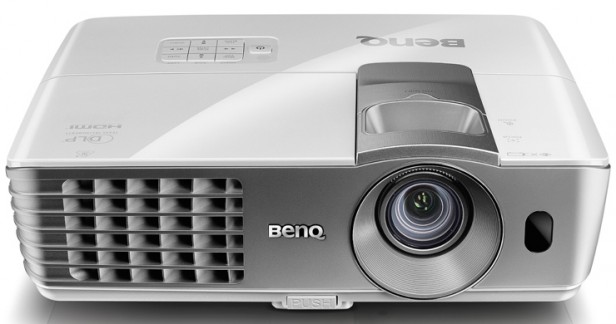
 Buy_Projector_BenQW1070

What type of DLP projector

What type of DLP projector you buy will depend on where you are using the projector. Projectors are used  as either business or home entertainment. Data projectors are best suited for business presentations as they handle data and images such as PowerPoint presentations and. PDF files. Home theater projectors are built to handle full-motion video as well as photos.

What size do you need?

Projectors come in a wide range of sizes and weights. The most portable projectors are small and lightweight that can slip into a briefcase and be easily transported from office to office. These are prefect for the road warrior giving presentations in different locations.  Larger, heavier projectors are suitable to home entertainment center where there is a dedicated space and nothing is moved.  The more you move the projector, the lighter you need it to be.

Tip #1: Always check to see if the projector has been built to be carried around.

Epson-PowerLite-Pro-Cinema-810-HQV-projector-Epson-ELPLP39-lamp

Resolution

For business presentations showing graphics, data and images, SVGA resolution (800 by 600 pixels) will be sufficient. You’ll be able to save on the price tag coming with SVGA as well. The details are not going to be as crisp and scaling the images up will result in a lose of picture quality. If you are showing video or film, then you will need to go with a 1080p, the current high definition technology for projectors. You will only get the HD effect if you are plugging into other HD devices (Blu-ray player, DVD or other devices). Plugging the 1080p projector into your cable box will lower the resolution to broadcast quality. The prices for a 1080p have been falling steadily.

Here’s a handy chart that sorts out the different types of projector resolution:

4:3 Format Options:

  • SVGA (800×600 pixels): Good for basic PowerPoint presentations
  • XGA (1024×768 pixels): Good for spreadsheets and commercial application
  • SXGA (1280×1024 pixels): Good for detailed graphics with small detail
  • SXGA+ (1400×1050 pixels): Good for photos and data graphics
  • UXGA (1600×1200 pixels): Good for detailed applications and graphics needing high resolution.

Widescreen Options:

  • WXGA (1280×800 pixels) (16:10 Aspect Ratio): Good for wide screen laptop and desktop monitors.
  • HD 720 (1280×720 pixels) (16:9 Aspect Ratio): Predecessor to 1080 so good for watching 720p
  • HD 1080 (1920×1080 pixels) (16:9 Aspect Ratio): Good for home HDTV and 1080p Blu-Ray movies.
  • WUXGA (1920×1200) (16:10 Aspect Ratio): Full HD+ Good for auditoriums, lecture halls, movie theatres and churches with large areas.

Tip #2: The higher the resolution the better quality the picture,

Tip #3: The resolution of the projector should always match the resolution of the computer it will be linking with.

Tip #4: The lower the resolution, the lower the price tag.

Buy_Projector_Optoma HD65Brightness

A projector’s brightness is measured in ANSI lumens. With projectors, brighter does not automatically mean better. It really depends on how you are going to use the projector and the room you are watching. Large rooms make need something brighter. Home theaters used in the dark, don’t need a lot of light so 1,000 to 1,200 lumens will still give you a large and bright images. In a room with lots of ambient light, you’ll want something that is between 2,000 to 3,000 lumens in order to compete with natural light. Small percentages in lumens don’t make that much difference either. Do your research to see how much brightness you need and don’t hesitate to ask your manufacturer for the specs on the projector.

Tip #5: Doubling your lumens doesn’t automatically double the brightness. The formula is a bit more complicated.

Tip #6: Your screen size will affect your brightness. The average screen is 200cm wide and if you go larger you’ll need more brightness.

Buy_Projector_Vivitek D825MSLook for the right connections

For business projectors, you’ll want the maximum outputs on your projector so you can hook it up to your computer or other source device in order to display the presentations. You want maximum flexibility so you can hook up using a VGA connection (computer monitor), a USB connection (same connection for a printer, scanner or digital camera), a DVI cable (digital video) or a HDMI cable (High Definition Multimedia Interface). For home entertainment projectors look for at least one HDMI input to connect to either your cable or satellite box. You will want more if you plan to also run a Blu-ray player or gaming console. Make sure the build in audio is high enough quality or can work with a separate sound system.

Tip #7: Read more about connecting your projector to a laptop

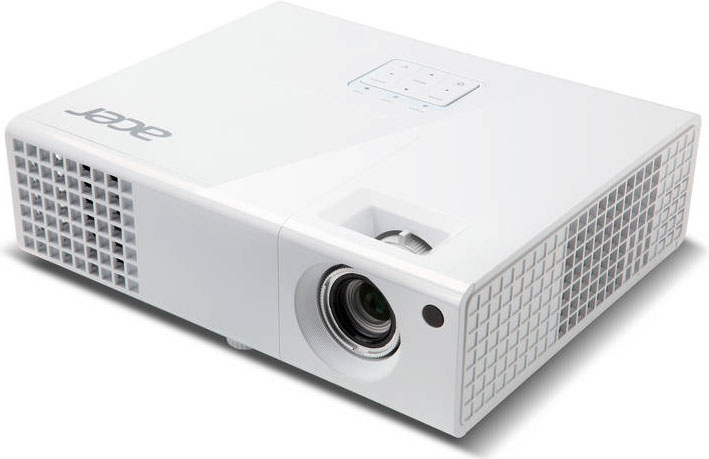
Buy_Projector_Acer H6510BDHow is the sound?

Some projectors come with built in audio. Check to see that the audio system is adequate enough. If you need sound for your business presentation, make sure the audio is loud and clear enough. Home theatres are going to need to be set up to a separate sound system since you want that stereo experience while watching TV and films.


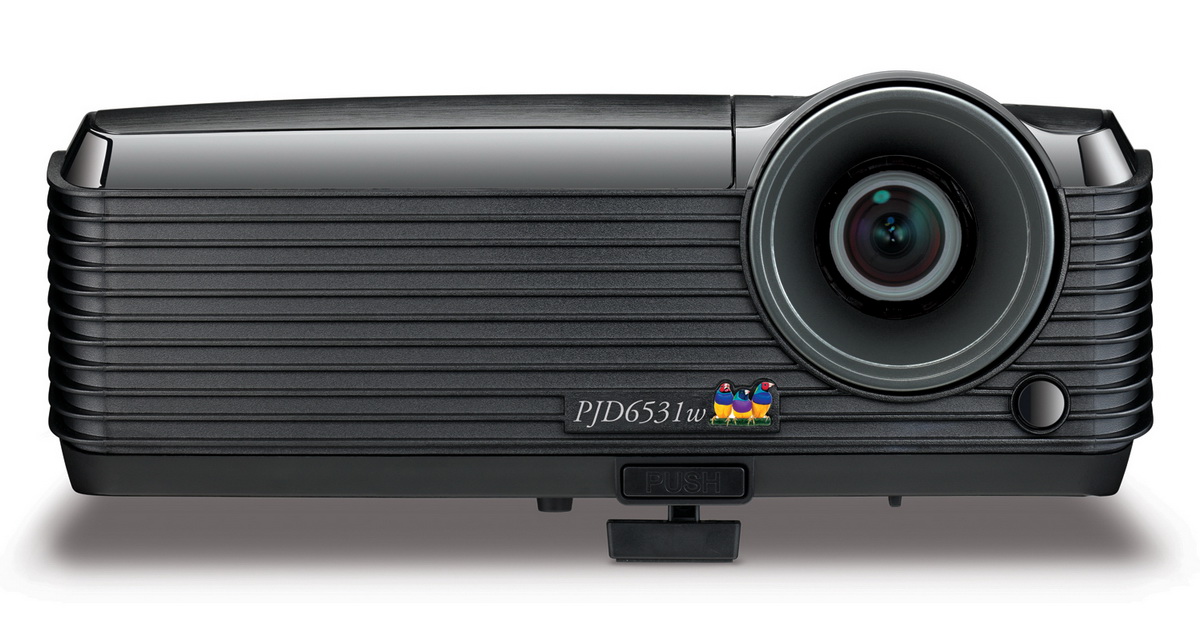
Buy_Projector_ViewSonic PJD6531wContrast Ratio

The ratio between the brightest and darkest areas is known as the contrast ratio. A higher contrast ratio gives more vibrant colors, crisper pictures with more details showing up in the dark areas on the screen. While not crucial for business presentation, you need a strong contrast ratio for watching film or HDTV.

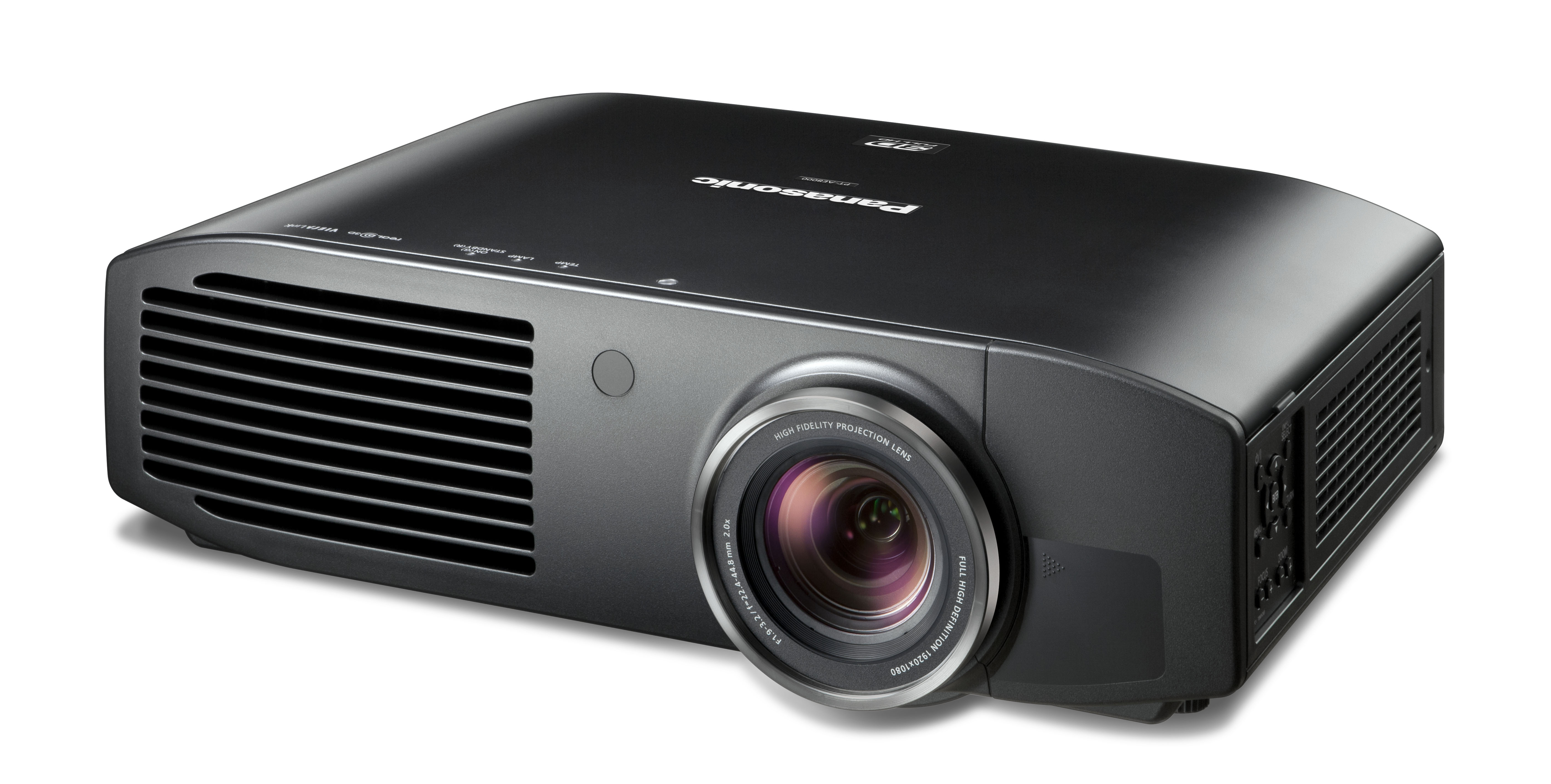
Buy_Projector_Panasonic PT-AE8000Throw ratio

Consider the size of your room to know how far the image will need to be projected. A short-throw means the projector is a short distance from the screen. A short throw will be three to six feet and allows lets you throw a large image in a small space. For each foot of image, the projector needs to be two feet away. For example, if the projector is 20 feet away then the image must be 10 feet wide. Home theater projectors should be able to throw from roughly 12 to 15 feet. You’ll need to calculate the throw ratio for home theater projectors.

20 Top Projector Models

Tagged with: , , , , ,

Don’t call a technician to replace the Optoma PRO160S projector lamp!

Follow this easy how-to guide and install a new projector lamp quickly and easily.

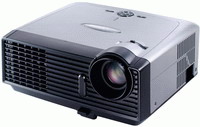
Optoma_PRO160S_projector_BL-FU185A_projector_lampWhen it’s time to replace the Optoma PRO160S projector lamp you may also notice the Lamp-LED light flashing red or the picture quality starting to get poor resolution with washed out colours.

Optoma_PRO160S_lamp_replacement_warning_BL-FU185A_projector_lampYou will also see the projector lamp warning message flash on screen. This means you have 30 hours before the bulb will burn out.

Your Optoma PRO160S projector uses the Optoma BL-FU185A projector lamp.

Authentic projector lamps are critical!

You’ll want the best projector lamp for your Optoma PRO160S and that means buying directly from an authorized manufacturer. Look for the seal of approval that lets you know you are buying an authentic projector lamp. Why avoid generics? While their price tag may seem appealing, you get what you pay for and with compatible, generic lamps that means a whole lot of problems.

6 reasons to avoid generic lamps:

Learn how to spot the copycat lamps posing as authentic lamps.

Find this lamp sold on Amazon by these authorized dealers:

Installing the Optoma BL-FU185A projector lamp

Before replacing the Optoma BL-FU185A projector lamp follow these crucial safety tips to prevent injury to yourself or the projector:

  • Switch off the power to the Optoma PRO160S projector by pressing the Power/Standby button.
  • Disconnect the power cord.
  • Allow the projector to cool down for at least 30 minutes. If should be cool to the touch. These projectors run using high temperatures and you can burn yourself badly if you don’t allow the projector to cool down.

Optoma_PRO160S_install_new_BL-FU185A_projector_lamp1. Use a screwdriver to undo the two screws holding the lamp cover in place. The screws on the lamp cover and the lamp cannot be removed.

2. Remove the lid and place to one side. Don’t lose the lid as the PRO160S projector will not turn back on until the lamp cover has been properly installed.

3. Remove the two screws holding the Optoma BL-FU185A projector lamp in place.

Note: The used Optoma BL-FU185A (projector lamp contains mercury and should be properly recycled. Don’t throw it into regular garbage.

4. Lift up the wire handle on the Optoma BL-FU185A ) projector lamp and slowly remove it from the projector. Be careful not to bang the lamp against the projector as this may case the bulb to break. Learn what to do if the lamp has exploded inside the projector.

Install the new Optoma BL-FU185A  projector lamp:

  • Remove the new Optoma BL-FU185A projector lamp from its packaging.
  • Taking care not to touch the actual bulb, lift up the handle on the new lamp and insert it gently into the Optoma PRO160S projector.
  • Tighten the two screws on the projector lamp.
  • Replace the lamp cover and tighten its two screws. Reset the lamp timer.

Reset the Lamp Replacement Timer

The Optoma PRO160S projector has an automatic lamp timer that tracks the numbers of hours left in the projector lamp. When the Optoma BL-FU185A projector lamp is approaching end of life, the lamp replacement timer will trigger the warning system. If you don’t reset the lamp replacement timer you run the risk of the projector lamp being used beyond its recommended life and possibly exploding in the projector.

Optoma_PRO160S__reset_lamp_timerBL-FU185A_lampTo reset the Lamp Replacement Timer:

  • Turn on the projector.
  • Using the remote press MENU
  • Select OPTIONS
  • Select LAMP SETTINGS
  • Select LAMP RESET
  • Select YES.
  • Press MENU to exit.

Extend the life of the Optoma BL-FU185A projector lamp:

  • Chose the “STD” mode to to dim the projector lamp and lower power consumption. This will extend the lamp life by up to 130%.
  • Keep your air filters clean to avoid overheating the projector.
  • Every 24 hours, turn off the projector and let it stand for 1 hour
  • Make sure there is enough airflow around the Optoma PRO160S projector particularly if it’s been permanently mounted.
  • Learn more with Top tips for extending DLP projector lamp life.


Green your Optoma PRO160S projector

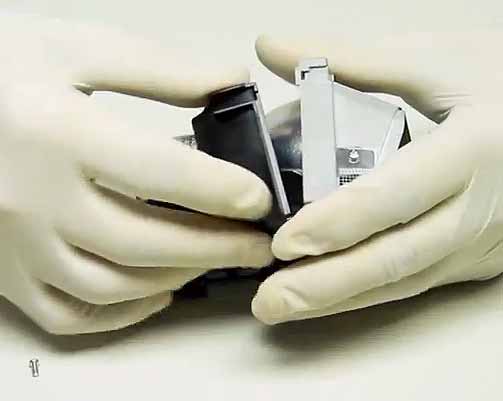
Optoma-BL-FU185A_replacement_bulb_training_videoThe Optoma PRO160S projector has the option of re-using the existing lamp cage and replacing only the actual bulb. A great way to reduce and recycle. Watch our Optoma BL-FU185A training video to learn more.

Tagged with: , , , ,

Optoma_EP719R_projector_BL-FU180A_projector_lampReplacing the Optoma EP719R projector lamp can be completed in under 15 minutes when you follow this handy guide.

Watch for the warning signs

It’s simple and easy to replace the Optoma EP719R projector lamp. The Optoma EP719R projector uses the Optoma BL-FU180A  projector lamp. When the Optoma EP719R projector lamp is approaching end of life you may notice some warning signs:

  • A screen that is gradually dimming or deteriorating.
  • Colour in the image appears dark or off colour.
  • Lamp light flashing a steady orange.
  • Seeing the  following warning message on screen:

Optoma_EP7190_BL-FU180A_projector_lamp_warning

If you hear a loud pop or bang after turning on the Optoma EP719R projector you’ll know your projector lamp has exploded and definitely needs to be replaced. The projector won’t turn on. Learn what to do if the lamp has exploded inside the projector.

Buy the right projector lamp!

It can be confusing trying to find the right projector lamp for your Optoma EP719R projector. There are a lot of choices on the Internet but you have to cautious. Look for the seal of approval to be sure you’re getting an authentic lamp created by the original manufacturer. Too many copy cat manufacturers are creating copies using inferior workmanship which can damage your projector.

Generics may appear to be a bargain due to their lower prices but they won’t can’t last the full hours so will actually end up costing you more in the long run. Another important consideration are the health risks due to oxic materials used. Keep yourself and your projector healthy, and your warranty intact. Buy an authentic Optoma BL-FU180A  projector lamp.

Buy this lamp on Amazon sold by these authorized dealers:

How to replace the Optoma BL-FU180A projector lamo

Follow these important safety steps before installing a new Optoma BL-FU180A projector lamp:

  • The used Optoma BL-FU180A (SP.82G01.001) projector lamp contains mercury and should be properly recycled. Don’t throw it into regular garbage.
  • Disconnect the power cord.
  • Switch off the power to the Optoma EP719R projector by pressing the Power/Standby button.
  • Allow the projector to cool down for at least 30 minutes. If should be cool to the touch. These projectors run using high temperatures and you can burn yourself badly if you don’t allow the projector to cool down.

Optoma_EP719R_BL-FU180A_remove_projector_lamp_cover Step 1: Place something soft underneath the Optoma EP719R before turning the projector onto it’s back. Remove the two screws holding the cover in place.


Optoma_EP719R_BL-FU180A_remove_projector_lamp_cover

Step 2: Push the cover up to remove it. Put the cover to one side. Don’t lose the screws the EP719R won’t work until the cover is re-installed.


Optoma_EP719R_BL-FU180A_remove_projector_lamp_screwsStep 3: Use a screwdriver to remove the two screws holding the Optoma BL-FU180A (SP.82G01.001) projector lamp module in place. Lift up the wire handle and slowly put out the old lamp. Be careful not to bang the bulbas this may case the bulb to break.

NOTE: The BL-FU180A projector lamp contains mercury and should not be thrown into regular garbage. Recycle this lamp.
Optoma_EP719R_BL-FU180A_lamp Step 4: Optoma BL-FU180A projector lamp. Take the new out of its packaging. Lift up the wire handle and place the new projector lamp into the Optoma EP719R projector.


Optoma_EP719_BL-FU180A_new_lamp

Step 5:

  • Tighten the two screws on the lamp.
  • Replace the lamp cover and tighten its two screws.
  • Reset the lamp timer.

Reset the lamp timing on the Optoma EP719R projector lamp

Optoma_EP719R_BL-FU180A_lamp_reset The Optoma EP719R projector has an automatic lamp reset timer that tracks the life of the lamp and triggers the lamp replacement warning. You need to reset the timer each time the lamp is replaced.

  • Press the Menu option on either the remote or on the projector.
  • Scroll over the Lamp Setting. Press enter.
  • Select Reset Lamp Hours. Press Enter
  • The Execute/Cancel command line will appear.
  • Scroll over to choose Execute. Press Enter. The lamp hours is reset to zero.

Get the Optoma BL-FU180A projector lamp to last longer with these tips:

  • Turning on the Eco Mode to lower power consumption and extend the lamp life by 130%.
  • Keep your air filters clean to avoid overheating the projector.
  • Turn off the Optoma EP719R projector and let it stand for at least one hour ever 24 hours.
  • Make sure there is enough airflow around the projector particularly if it’s been permanently mounted.
  • Top tips for extending DLP projector lamp life
Tagged with: , , ,

colour_presentations

Make your Powerpoint presentation pop with color

Color theory for powerpoint presentation

The right color combinations can make your Powerpoint presentation stand out and hold your audience’s attention. Color theory is a complicated topic but if you can understand the basics you will be well on your way to creating colorful but balanced presentations. Start off by understanding some basic color theory and certain design rules.

Color theory for powerpoint presentation

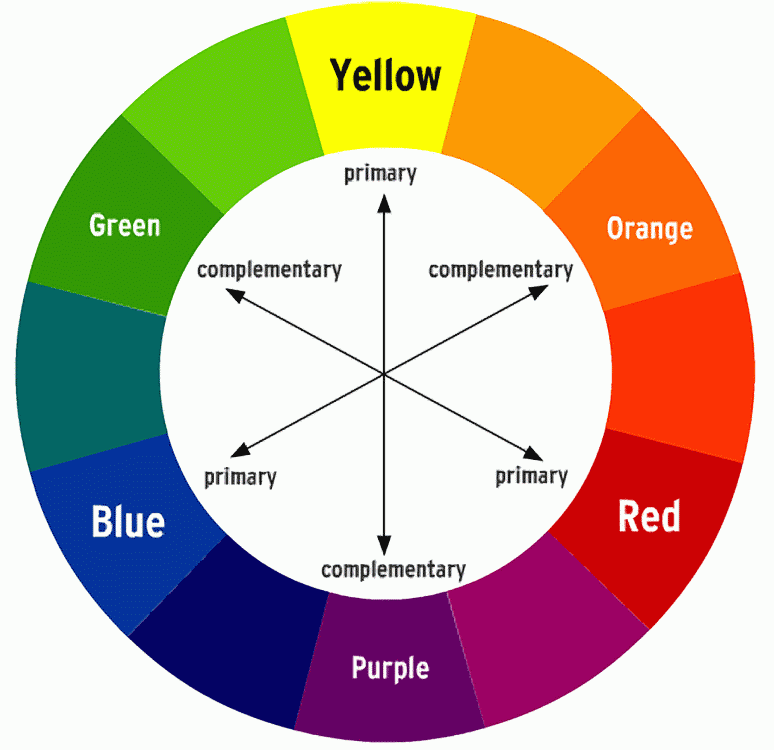
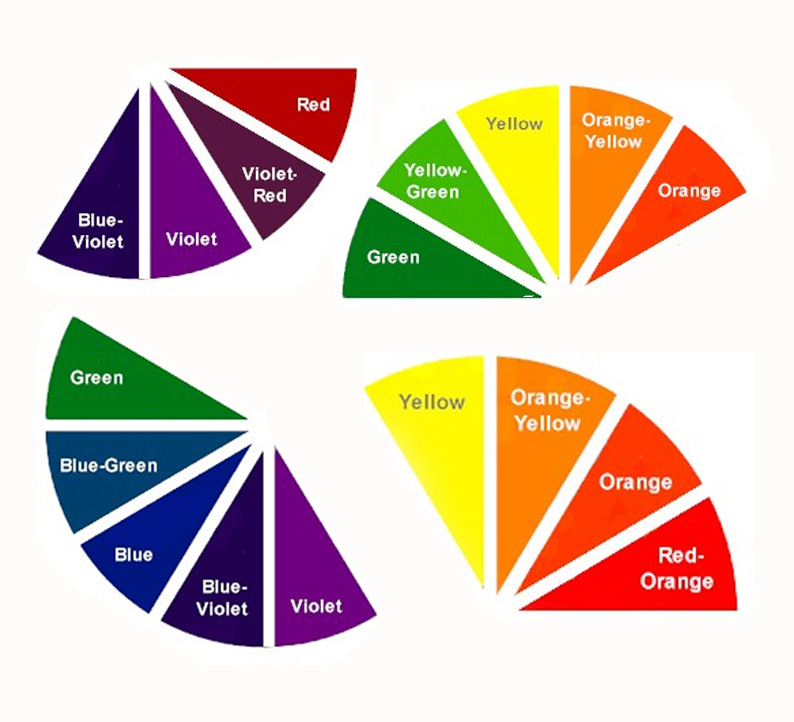
colour_wheel_for presentationsThe color wheel is a quick visual guide to understand the relationship between color. The wheel contains 12 hues separated into three distinct groups:

  • Primary colors: red, blue, and yellow. All other colors can be derived from these three colors.
  • Secondary colors: green, violet, and orange. These are created by combining the primary colors.
  • Tertiary colors: red-orange, red-violet, blue-violet, blue-green, yellow-orange, and yellow-green. These are made combing the first six colors.

 Complementary colors

RBG_Color_wheel_for_presentationsColors opposite to one another are known as complements. Because they contrast each other, they are used to create a dynamic effect. When placed next to each other, they create the strongest contrast and reinforce each other. The traditional combination has always been: red–green/ yellow–violet/ blue–orange

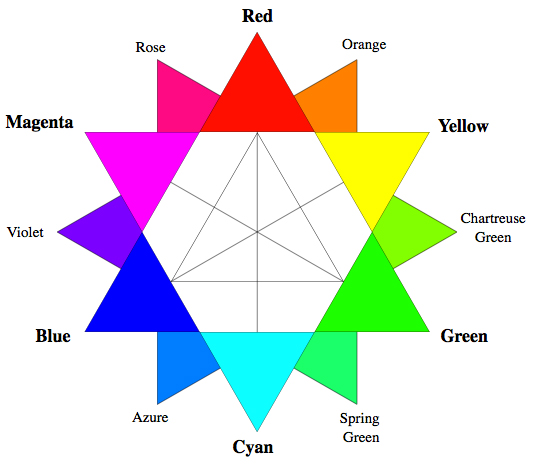
However on a computer screen the RGB color model is used and since its primary colors are actually red, green and blue the complimentary scale is red-cyan/ green-magenta / blue-yellow.

Analogous Colors

Analogous_Color_wheel_for_presentationsColors directly next to each other on the color wheel are called analogous. For example: Yellow, yellow-orange, and orange is a set of analogous colors. There is usually one primary, secondary and tertiary hues.

These combinations are most often seen in nature and creates a soothing, rich and monochromatic look. It’s best to use warm or cool colours in this scheme and be aware it does lack contrast.

Design rules for using color

Power_Point_colour_schemes

  • Know your audience when choosing your colors.
  • You want your text to be easy to read and avoid eye fatigue. Go for a high-contrast combo like white and black or dark purple and light yellow.
  • Less is more. Don’t go overboard and cram too much color into your presentation. Stick to 2 colors for the the text and 2 or 3 for illustrations.
  • Stick with your brand. Use the colors from our logo or website to look more professional.
  • Choose dominant colors from your graphics or photos to create a sense of balance and consistency with the overall presentation.
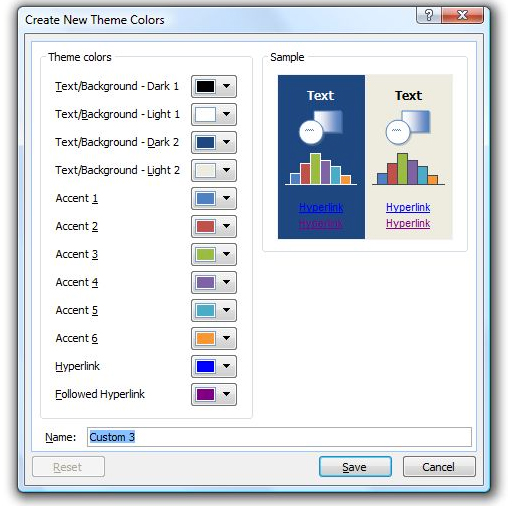
  • Customise Powerpoint theme colors in a presentation template for easy access.
  • Limit using red and green in case any audience members are color blind.
  • Use bold to highlight text rather than different colors.
  • Just choose one color for titles and one color for the body.

Background tips

texture_color_powerpoint_presentations

  • Try using texture as a background instead of color.
  • Use one background color with 2 to 3 colors for text.
  • Analogous schemes work best for background color.
  • Contrast your text using a complementary text color.

Helpful tools

Test_your_presentation_for_correct_colorCreate a color wheel using some of the helpful websites out there suchs as Kuler.com or ColorLovers.com

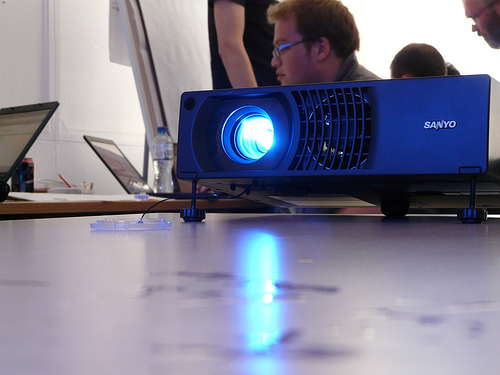
Final words of advice: Always test your presentation on the projector; often color combinations look different on the big screen. You want your presentation to look its best.


Save

Tagged with: , ,
Join the discussion on Facebook! All your questions, answered! The Screen & Projector Group